
Rajendra Electric Motor Industry · Est. 1964
Our Family Legacy
Evolving
Six decades. One family. One mission. The story of REMI Edelstahl Tubulars Ltd. — built from a father’s conviction, raised by three generations of the Saraf family, powering Indian industry since 1964.
Our Story
Every great visionary begins with a small enterprise and a big dream
From the conviction of a patriarch to the ambition of a new generation, REMI’s journey is the story of an Indian family enterprise that has chosen chapter after chapter to build, adapt, and endure.
The Saga
Six chapters,
one continuum
From the dissolution of a wartime joint family to a modern industrial group read the chapters that shaped REMI.
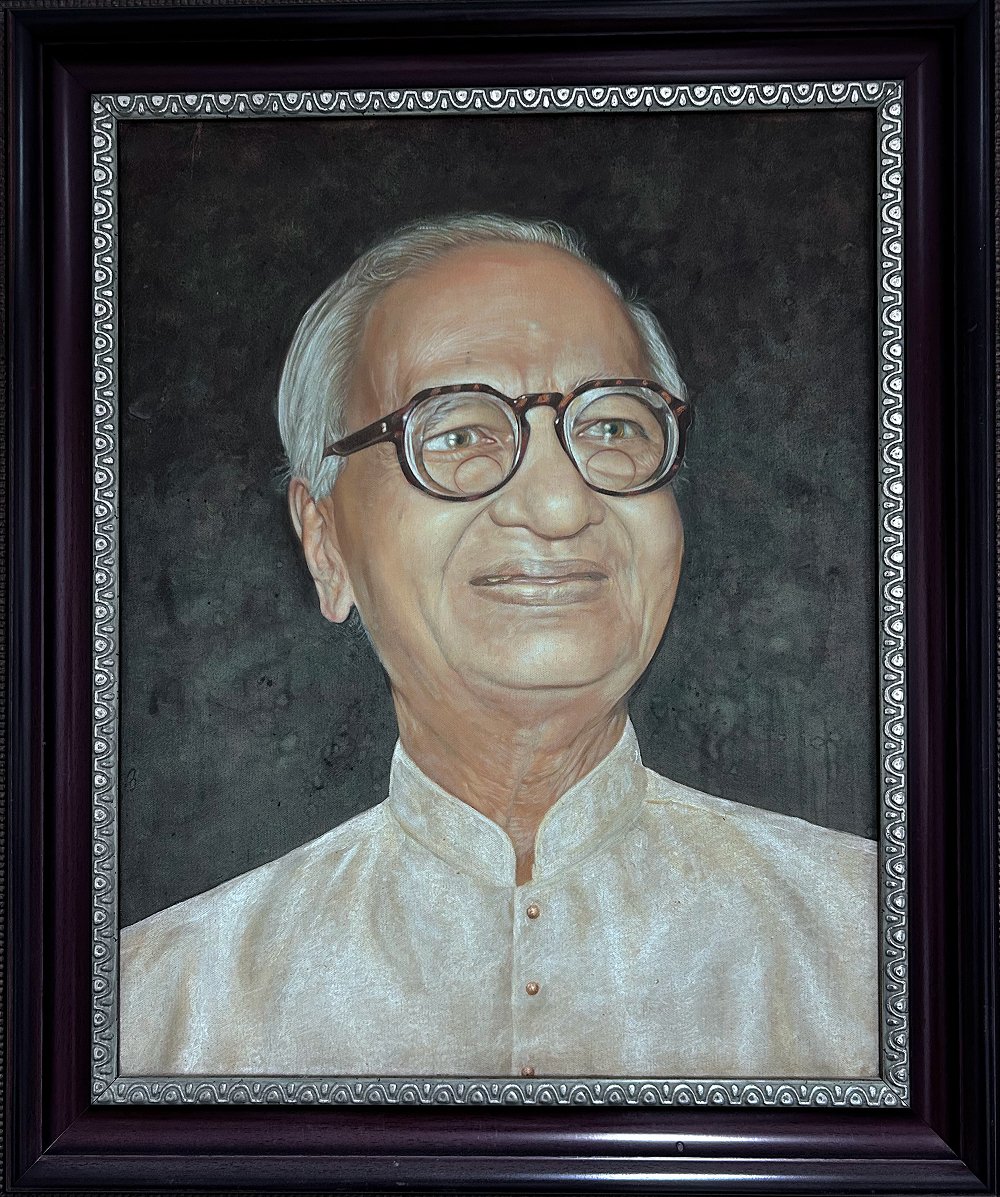
Chiranjilalji Saraf
Patriarch · Founder of a vision
Chapter I
Our Beginning
The Visionary Chiranjilalji Saraf
Every great visionary begins with a small enterprise and a big dream. CK Saraf’s path was no different. Chiranjilalji Saraf, the patriarch of the Saraf family, was a man of deep conviction and quiet resolve. Rooted in the values of hard work, integrity, and service, he laid the moral and entrepreneurial foundation of establishing manufacturing facilities focused on import substitution — assembling engineering resources from within India and inorganically from outside to ensure a reliable range of products upon which future generations would build.
His vision extended beyond the boundaries of the enterprise — he believed that industry could uplift communities, create livelihoods, and contribute meaningfully to a growing nation. It was this belief, passed down through the family like an heirloom, that became the driving force for the growth of REMI.
Chapter II
The Years Before
Life Before the Inception of REMI
Before REMI came into being, the joint Hindu family had already established themselves as enterprising and industrious members of their community. Mr. CK Saraf joined the family business; a decade later the joint family enterprise disintegrated due to rising losses following the Second World War.
CK Saraf then handled the dissolution of the family businesses and tried his hand in other fields, with little success. It was precisely this absence of success in alternative ventures that laid the groundwork for the inception of REMI — with the help of his elder son, following his education.
Chapter III
1964 — The Founding
Conceptualisation & Startup of REMI
The early experiences of CK Saraf shaped the concept of REMI — not merely as a means of livelihood, but as a commitment to quality, reliability and trust. The lessons learnt in that period became the bedrock upon which REMI was built.
In 1964, VC Saraf — inspired by his father’s vision and driven by the growing national industrial need — founded Rajendra Electric Motor Industry. At a time when India was building its manufacturing base, VC Saraf saw an opportunity to contribute by producing Direct Current Motors and laboratory mixing equipment, expanding in the years that followed into electric motors, gear motors and industrial solution mixers.
From its modest beginnings, REMI was distinguished by an unwavering commitment to engineering excellence. Every product that left the workshop carried REMI’s name and reputation — and the Saraf family ensured that business ethics were upheld to the highest standard.
Chapter IV
Consolidation
Expansion of REMI
The induction of RC Saraf into the REMI Group marked a new chapter in the company’s rapid rise, bringing fresh energy and a keen eye for expansion. Together with his father and elder brother, RC Saraf helped steer REMI to consolidate existing operations, expand production capabilities, strengthen its distribution network, and deepen relationships with customers and partners.
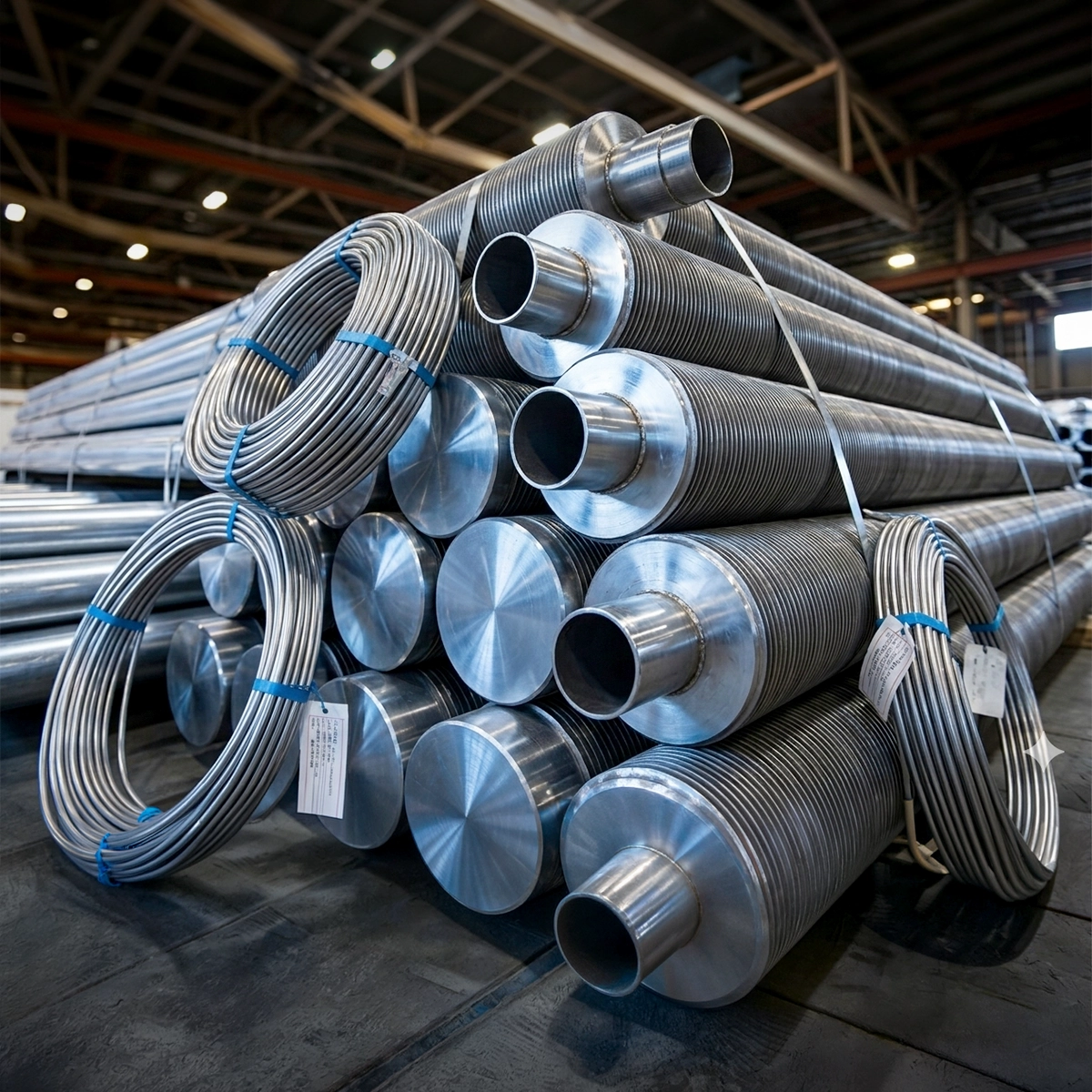
REMI expanded its product range to include stainless steel pipes, mixing solutions, real estate, and others. The company’s growth during this period was a testament to the strength of combining inherited wisdom with new ambition.
Chapter V
The 1990s & Beyond
Adapting in a New Economic Era
The economic liberalisation of the early 1990s reshaped India’s industrial landscape overnight. Markets that had been protected were suddenly open to global competition. For many family-run enterprises, this was a moment of reckoning.
REMI met this challenge with characteristic resolve. Rather than retreat, the company adapted — streamlining operations, investing in quality, and consolidating its position in core markets. The family’s deep-rooted values of discipline and long-term thinking proved to be their greatest asset.
Through decades of change, one thing remained constant — REMI’s commitment to manufacturing excellence and the trust placed in them by their customers.
Chapter VI
The Next Generation
Reenergising REMI
With the entry of RR Saraf and RV Saraf, REMI embarked on its most exciting chapter yet. The next generation brought new perspectives, modern management practices, and a forward-looking vision — while remaining firmly anchored in the values that had sustained the family for decades.
Their focus has been on modernisation without losing identity — embracing new technologies, exploring new markets, and building REMI for the demands of the 21st century, all while honouring the legacy of Chiranjilalji Saraf and the founders who built REMI from the ground up.
A Changing India
“As the nation transformed, so did the landscape of Indian manufacturing. What followed demanded not just resilience but reinvention.”
A Resilient REMI
REMI Today
Modernization
without losing identity
Embracing new technologies, exploring new markets, and building REMI for the demands of the 21st century while honouring the legacy of those who built it from the ground up.
60+
Years of manufacturing heritage
3
Generations of family stewardship
6
Decades of import substitution
1964
The year it all
began
The Mission Continues
Six Decades
One Family
One Mission
From 1964 to today, REMI’s story is one of vision, perseverance, and the enduring strength of family. What began as a father’s dream has grown — through the hands of three generations — into a legacy that continues to power industries and inspire trust.